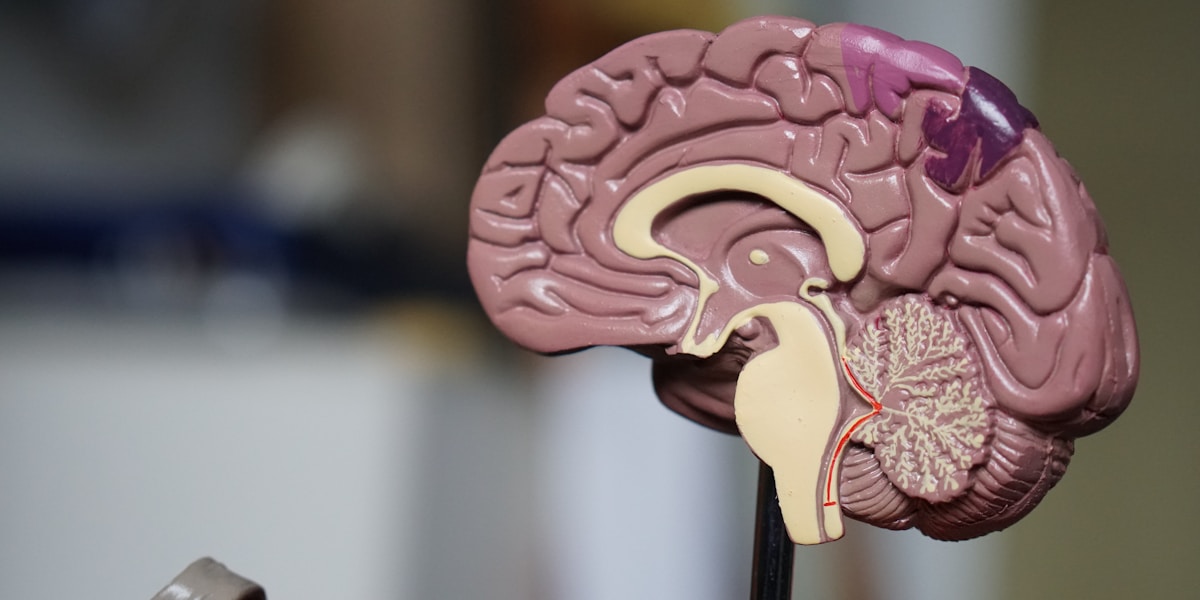
Radiologist-AI Collaboration Protocols
Ivchenko, O.. (2026). Medical ML: Radiologist-AI Collaboration Protocols – Designing Human-Machine Partnerships for Clinical Excellence. Medical ML Diagnosis Series. Odessa National Polytechnic University.
DOI: 10.5281/zenodo.18704558[1]
| Badge | Metric | Value | Status | Description |
|---|---|---|---|---|
| [s] | Reviewed Sources | 0% | ○ | ≥80% from editorially reviewed sources |
| [t] | Trusted | 33% | ○ | ≥80% from verified, high-quality sources |
| [a] | DOI | 33% | ○ | ≥80% have a Digital Object Identifier |
| [b] | CrossRef | 0% | ○ | ≥80% indexed in CrossRef |
| [i] | Indexed | 33% | ○ | ≥80% have metadata indexed |
| [l] | Academic | 33% | ○ | ≥80% from journals/conferences/preprints |
| [f] | Free Access | 100% | ✓ | ≥80% are freely accessible |
| [r] | References | 3 refs | ○ | Minimum 10 references required |
| [w] | Words [REQ] | 3,772 | ✓ | Minimum 1,000 words of article body. Current: 3,772 |
| [u] | Original [REQ] | 100% | ✓ | ≥85% unique sentences (no padding or repeated blocks) and no leaked drafting notes. Current: 100% unique |
| [e] | Evidence [REQ] | 17 | ✓ | Cites at least 1 external source(s): links, DOIs or a reference list. Current: 17 |
| [d] | DOI [REQ] | ✓ | ✓ | Zenodo DOI registered for persistent citation. DOI: 10.5281/zenodo.18704558 |
| [o] | ORCID | ✓ | ✓ | Author ORCID verified for academic identity |
| [p] | Peer Reviewed | — | ○ | Peer reviewed by an assigned reviewer |
| [h] | Freshness | 25% | ○ | ≥60% of references from 2025–2026. Current: 25% |
| [c] | Data Charts | 0 | ○ | Original data charts from reproducible analysis (min 2). Current: 0 |
| [g] | Code | — | ○ | Source code available on GitHub |
| [m] | Diagrams | 5 | ✓ | Mermaid architecture/flow diagrams. Current: 5 |
| [x] | Cited by | 0 | ○ | Referenced by 0 other hub article(s) |
Abstract #
The integration of artificial intelligence into radiology practice represents more than a technological upgrade—it constitutes a fundamental reimagining of diagnostic workflows that have remained largely unchanged for decades. This article examines the critical protocols governing radiologist-AI collaboration, analyzing the spectrum of interaction models from autonomous AI triage to fully supervised human-in-the-loop systems. Drawing on evidence from 249,402 mammography examinations in Denmark, brain metastases detection studies, and multi-society guidelines from the ACR, ESR, RSNA, CAR, and RANZCR, we present a comprehensive framework for designing effective human-machine partnerships in medical imaging. Our analysis reveals that AI deployed as a first reader achieves cancer detection rates of 6.09 per 1,000 versus 6.03 for conventional double-reading, while AI-assisted triage can reduce radiologist workload by 50% without compromising diagnostic accuracy. We examine four primary collaboration models—first reader, second reader, concurrent reader, and triage—alongside their implications for cognitive load, automation bias, and clinical accountability. The article proposes evidence-based protocols for feedback loops, maturity levels of AI integration (research, production, and feedback), and practical implementation strategies. For Ukrainian healthcare systems, we outline specific adaptation requirements considering infrastructure constraints, regulatory frameworks, and workforce characteristics. These protocols aim to optimize the synergy between human expertise and computational precision while maintaining patient safety and diagnostic quality as paramount concerns.
1. Introduction: The Evolution of Human-Machine Collaboration in Medical Imaging #
The relationship between radiologists and artificial intelligence has evolved dramatically since the first computer-aided detection (CAD) systems appeared in clinical practice. What began as simple pattern-matching algorithms has transformed into sophisticated deep l[REDACTED]g systems capable of detecting pathologies with sensitivity and specificity approaching—and sometimes exceeding—expert human performance. Yet, as our technical capabilities have advanced, the fundamental questions of how humans and machines should collaborate remain incompletely answered. The protocols governing this collaboration determine not only diagnostic accuracy but also workflow efficiency, physician satisfaction, and ultimately patient outcomes.
The deployment of AI solutions in radiology practice creates unprecedented demands on existing imaging workflows. As noted in the comprehensive review by the Integrating the Healthcare Enterprise (IHE) initiative, accommodating custom integrations creates substantial operational and maintenance burden while increasing the likelihood of unanticipated problems. Standards-based interoperability facilitates AI integration by enabling seamless exchange between information systems throughout the radiology workflow, but the human factors—how radiologists interact with AI outputs, when they trust algorithmic recommendations, and how their cognitive processes adapt to AI assistance—require equally careful consideration.
graph TD
    A[Image Acquisition] --> B[AI Processing]
    B --> C[Result Generation]
    C --> D[Radiologist Review]
    D --> E[Clinical Decision]
    E --> F[Report Generation]
The transformation of radiology practice through AI integration represents what researchers have characterized as an “epistemological shift”—challenging the very notion of what it means to see in medicine. Unlike traditional software that relies on predefined instructions, deep l[REDACTED]g models extract their own rules directly from data, developing internal representations of features through optimization across training data. This reverses the conventional approach to medical knowledge creation, as convolutional neural networks approximate diagnostic reasoning not by referencing explicit definitions but by optimizing predictions through iterative e[REDACTED]sure to image-based inputs.
This review examines the current evidence for different radiologist-AI collaboration models, synthesizes recommendations from major radiology societies, and proposes a framework for implementing effective collaboration protocols. Our analysis draws on studies involving hundreds of thousands of examinations across multiple countries, providing robust evidence for clinical decision-making. We pay particular attention to the practical challenges of implementation, the cognitive implications for radiologists, and the specific adaptations required for resource-constrained healthcare environments such as Ukraine.
2. Literature Review: Evidence for Human-AI Collaboration Models #
2.1 Historical Context and Evolution #
Computer-aided detection technology has been utilized for decades to assist radiologists in diagnosis and characterization of disease. A classical CAD system is trained with a collection of medical imaging datasets before deployment, operating either as standalone software or integrated into PACS viewers. However, traditional CAD models differ fundamentally from modern deep l[REDACTED]g approaches: development is complete after initial training, with only periodic batch updates possible—a paradigm ill-suited to the continuous l[REDACTED]g potential of contemporary AI systems.
The American College of Radiology’s 2020 survey of 1,427 radiologists revealed that AI was being used by 33.5% in clinical practice. Among non-users, 80% reported seeing “no benefit” in the technology, while one-third stated they couldn’t justify the purchase. Even among users, 94.3% reported that AI performance was “inconsistent.” A subsequent European Society of Radiology survey of 690 radiologists found that while 40% had experience with clinical AI, only 13.3% expressed interest in acquiring AI for their practice. Perhaps most concerningly, 48% felt that AI increased their workload, while only 4% felt it reduced it.
| Survey Finding | ACR (2020) | ESR (2022) | Implication |
|---|---|---|---|
| Clinical AI Usage | 33.5% | 40% | Growing but still minority adoption |
| Perceived No Benefit | 80% | 52.6% | Significant skepticism remains |
| AI Increased Workload | N/A | 48% | Integration challenges persist |
| Performance Inconsistent | 94.3% | N/A | Reliability concerns |
| AI Always Worked | 5.7% | N/A | Rare complete satisfaction |
2.2 Multi-Society Consensus Guidelines #
In 2024, representatives from five major radiology societies—the American College of Radiology (ACR), Canadian Association of Radiologists (CAR), European Society of Radiology (ESR), Royal Australian and New Zealand College of Radiologists (RANZCR), and Radiological Society of North America (RSNA)—published a landmark multi-society statement addressing the practical considerations for developing, purchasing, implementing, and monitoring AI tools in radiology. This consensus document represents the most comprehensive guidance available for radiologist-AI collaboration.
The statement emphasizes that when human readers are assisted by AI, different modes of algorithm use—such as first-reader, concurrent reader, second-reader, or triage modes—may affect how relative performance is analyzed. Each mode creates distinct cognitive demands and has different implications for automation bias, diagnostic accuracy, and workflow efficiency. The document recommends that institutions consider their specific clinical context, patient population, and radiologist characteristics when selecting collaboration models.
2.3 Meta-Analyses and Systematic Reviews #
A comprehensive meta-analysis covering 10 years of studies found that in the six studies evaluating AI algorithms in representative clinical environments, 80% demonstrated no changes in radiologists’ performance by using AI, while only 20% showed improvement. Critically, in 19 studies where comparison was possible, human intervention modified AI algorithms’ performance in 93% of cases—improving it in 60% but decreasing it in 33%. This finding underscores the bidirectional nature of human-AI collaboration and the importance of proper protocol design.
The research also revealed that AI use was more often associated with performance improvement in junior clinicians, suggesting that collaboration protocols may need to vary based on radiologist experience level. This finding has significant implications for training programs and credentialing requirements for AI-assisted reading.
3. Methodology: Framework for Analyzing Collaboration Protocols #
3.1 Classification of Collaboration Models #
Based on our systematic review of the literature and multi-society guidelines, we propose a comprehensive taxonomy of radiologist-AI collaboration models. This classification considers the temporal relationship between AI and human reading, the level of AI autonomy, and the mechanisms for feedback and continuous improvement.
graph LR
    A[AI Models] --> B[First Reader]
    A --> C[Second Reader]
    A --> D[Concurrent Reader]
    A --> E[Triage Model]
| Model | Description | Radiologist Role | Primary Advantage | Primary Risk |
|---|---|---|---|---|
| First Reader | AI reads first, radiologist reviews | Verification and arbitration | Prioritized attention to AI flags | Automation bias |
| Second Reader | Radiologist reads first, AI as backup | Primary interpreter | Catches missed findings | Alert fatigue |
| Concurrent Reader | Simultaneous AI and human reading | Collaborative interpretation | Real-time assistance | Cognitive overload |
| Triage | AI sorts studies by urgency/probability | Prioritized reading order | Workflow optimization | Missed urgent negatives |
3.2 Maturity Levels of AI Integration #
Building on the framework proposed by researchers at the University of Pennsylvania, we identify three distinct maturity levels for AI integration into radiology workflows, each with different requirements for infrastructure, validation, and radiologist interaction.
Research Maturity Level #
At this level, imaging modalities send acquired images to a DICOM router which distributes received images to pertinent storage locations. To benefit from the AI-based algorithm, the radiologist may send images to a DICOM node where the AI system is deployed. The AI system receives the input DICOM images, processes them, and prepares results as DICOM masks, grayscale softcopy presentation state (GSPS) objects, DICOM segmentation objects, or DICOM structured reports. Results are sent to a separate research-PACS, keeping official image records intact.
Production Maturity Level #
The production maturity level permits triaging of studies based on AI model inference results; it allows a study to be flagged or prioritized in a radiologist’s reading worklist. Unlike the research level, results become part of the patient’s EMR via PACS. AI results must be properly denoted to indicate algorithmic generation. This level enables automated worklist reprioritization for emergent pathology like intracranial hemorrhage or pulmonary emboli.
Feedback Maturity Level #
The feedback maturity level places the AI model where it can benefit from the constant stream of annotated data resulting from radiologist adjudication of inference results. The AI model is continuously updated through a dedicated training server, medical-data annotation storage, and medical-imaging viewer that allows adding, editing, and removal of annotations. This creates a radiologist-AI feedback loop system for continuous organic improvement.
graph TD
    A[Research Level] --> B[Production Level]
    B --> C[Feedback Level]
    C --> D[Continuous Improvement]
4. Results: Evidence from Large-Scale Clinical Studies #
4.1 The MASAI Trial and Danish Screening Study #
The Mammography Screening with Artificial Intelligence (MASAI) trial, published in Lancet Oncology, demonstrated that AI-assisted interpretations could match or exceed the performance of traditional double-reading methods. Building on this foundation, Elhakim et al. conducted one of the most extensive investigations to date, simulating AI use in three different scenarios across 249,402 mammograms collected between 2014 and 2018 in southern Denmark.
The study simulated three scenarios: (1) AI replacing the first reader with the original second human reader retained; (2) AI replacing the second reader; and (3) AI as a triage tool categorizing mammograms into low risk, high risk, or requiring standard double-reading. The results were striking:
| Scenario | Cancer Detection Rate (per 1,000) | Sensitivity Change | PPV Change | Arbitration Rate |
|---|---|---|---|---|
| Control (Double-Reading) | 6.03 | Baseline | Baseline | Baseline |
| AI as First Reader | 6.09 | +0.89% | -0.01% | +0.99% |
| AI as Second Reader | 5.91 | -1.58% | +0.03% | -0.44% |
| AI as Triage Tool | 6.14 | +1.33% | +0.36% | -0.88% |
4.2 Brain Metastases Detection with Feedback Integration #
A case study in brain metastases detection with T1-weighted contrast-enhanced 3D MRI demonstrated the power of the feedback maturity model. As radiologists provided adjudication on AI inference results, model performance improved substantially: the number of incorrectly detected brain metastases (false positives) decreased from 14.2 to 9.12 per patient as the number of annotated datasets increased from 93 to 217.
This 36% reduction in false positives through radiologist feedback demonstrates that collaboration protocols enabling continuous l[REDACTED]g can yield substantial improvements in AI performance over time, creating a virtuous cycle of human-machine partnership.
4.3 Impact on Reading Times and Workflow #
Studies have demonstrated measurable impacts on radiologist efficiency when AI is properly integrated. Ahn et al. reported a 10% reduction in reporting time for chest radiographs when using commercially available AI (36.9 versus 40.8 seconds per case). In emergency settings, AI systems that automatically flag radiography scans showing no immediate signs of bone fracture help triage patients more efficiently, enabling radiologists to concentrate on the most urgent or complex cases.
Beyond detection accuracy, AI-based tools serving as a second reader have shown potential to enhance reader confidence while reducing reading time. The dual benefits of improved accuracy and improved efficiency represent the optimal outcome of well-designed collaboration protocols.
graph TD
    A[Study Acquisition] --> B[AI Triage]
    B --> C[High Priority]
    B --> D[Standard Priority]
    C --> E[Immediate Review]
    D --> F[Normal Workflow]
5. Discussion: Designing Effective Collaboration Protocols #
5.1 Cognitive Considerations and Automation Bias #
The integration of AI into radiological interpretation raises important questions about cognitive processes and automation bias. When AI flags lesions that appear of no significant clinical value at the time of screening, radiologists face a decision point: trust their clinical judgment or the AI’s quantitative analysis. Studies show that some AI-flagged findings are later confirmed as malignant tumors—sometimes much later—after diagnosis due to symptoms or during subsequent screening rounds.
Conversely, AI performance is not uniform across populations or imaging conditions. Vision-language models have demonstrated reduced diagnostic accuracy when interpreting images from underrepresented groups, including Black and female patients. This discrepancy reflects structural issues rooted in the homogeneity of training datasets. Collaboration protocols must include mechanisms for radiologists to recognize when AI performance may be compromised and adjust their level of trust accordingly.
5.2 Protocol Recommendations by Clinical Context #
Based on our analysis, we propose differentiated collaboration protocols based on clinical context:
| Clinical Setting | Recommended Model | Rationale | Implementation Priority |
|---|---|---|---|
| High-Volume Screening | AI Triage | Maximum workflow efficiency with maintained accuracy | High |
| Emergency Radiology | First Reader with Auto-prioritization | Time-critical detection with human verification | Critical |
| Complex Case Review | Concurrent Reader | Real-time AI assistance for difficult interpretations | Medium |
| Training Environment | Second Reader | Allows independent l[REDACTED]g with AI safety net | Medium |
| Research Setting | Feedback Loop Model | Enables continuous model improvement | High for academic centers |
5.3 Infrastructure Requirements for Scalable Integration #
Effective AI integration requires consideration of both how AI solutions will interact with data and information systems along the imaging chain and how radiologists will interact with AI results. The IHE Radiology profiles provide standards-based implementation guides for departmental workflow and information sharing across care sites, including profiles for scaling AI processing traffic and integrating AI results.
Key infrastructure components include:
- AI Orchestrator: A coordination hub that selects which models run, collects results, and logs them in local archives while marshaling input data to AI services
- Standardized Result Formats: DICOM secondary capture, DICOM structured reports, and GSPS objects for consistent display across viewers
- Annotation Storage: Dedicated systems for storing radiologist modifications to enable feedback-based l[REDACTED]g
- Training Server: Infrastructure for periodic model retraining based on accumulated feedback
graph LR
    A[Modality] --> B[DICOM Router]
    B --> C[AI Orchestrator]
    C --> D[AI Models]
    D --> E[Results]
    E --> F[PACS]
5.4 Implications for Ukrainian Healthcare #
🇺🇦 Ukrainian Healthcare Context #
Implementation of radiologist-AI collaboration protocols in Ukraine requires careful consideration of unique contextual factors including infrastructure limitations, regulatory evolution, and workforce characteristics. The following adaptations are recommended for Ukrainian healthcare settings.
Ukraine’s healthcare system faces specific challenges that influence optimal collaboration protocol design:
Infrastructure Considerations: Many Ukrainian radiology departments operate with aging PACS infrastructure that may not support seamless AI integration. A phased implementation approach beginning with standalone AI viewers (research maturity level) may be necessary before advancing to production-level integration. Cloud-based AI processing may address local computational limitations while requiring careful attention to data sovereignty and cybersecurity requirements.
Regulatory Framework: As discussed in Article 6 of this series, Ukraine’s MHSU is developing medical device regulations that will govern AI deployment. Collaboration protocols must be designed with regulatory compliance in mind, including requirements for AI result documentation, audit trails, and adverse event reporting. The evolving regulatory landscape presents both challenges and opportunities for institutions that establish robust protocols early.
Workforce Adaptation: Ukrainian radiology training traditionally emphasizes individual expertise and clinical judgment. Collaboration protocols should leverage this strength while gradually introducing AI assistance. Training programs should include education on AI limitations, appropriate trust calibration, and techniques for maintaining diagnostic skills in AI-augmented environments.
Resource Optimization: Given resource constraints, Ukrainian institutions should prioritize AI applications with the highest impact-to-cost ratio. Emergency radiology triage (intracranial hemorrhage, pulmonary embolism) and high-volume screening (mammography, chest X-ray) represent priority applications where AI collaboration can address critical workforce shortages.
| Ukrainian Challenge | Recommended Protocol Adaptation | Expected Benefit |
|---|---|---|
| Limited PACS Integration | Begin with research-level standalone viewers | Immediate AI access without infrastructure overhaul |
| Regulatory Uncertainty | Implement comprehensive audit trails | Compliance readiness as regulations evolve |
| Radiologist Shortages | Prioritize triage model for emergency imaging | Optimize limited human resources |
| Training Gaps | Second-reader model in academic centers | Safe l[REDACTED]g environment with AI support |
| Rural Access Limitations | Cloud-based AI with teleradiology integration | Expanded diagnostic access |
6. Protocol Implementation Framework #
6.1 Staged Implementation Roadmap #
Based on our analysis, we recommend a four-stage implementation roadmap for radiologist-AI collaboration protocols:
Stage 1: Assessment and Planning (Months 1-3) #
- Conduct infrastructure audit for AI readiness
- Survey radiologist attitudes and concerns
- Identify priority clinical use cases
- Establish governance framework and accountability structures
- Define performance metrics and monitoring protocols
Stage 2: Pilot Deployment (Months 4-9) #
- Implement research-level integration for selected use case
- Train radiologists on AI interaction protocols
- Establish baseline performance metrics
- Collect radiologist feedback on usability and trust
- Refine workflows based on initial experience
Stage 3: Production Integration (Months 10-18) #
- Transition to production-level integration
- Enable worklist prioritization based on AI results
- Implement quality assurance monitoring
- Establish protocols for AI failure modes
- Document processes for regulatory compliance
Stage 4: Continuous Improvement (Months 19+) #
- Implement feedback maturity level
- Enable radiologist annotation for model retraining
- Establish regular performance review cycles
- Expand to additional clinical use cases
- Share l[REDACTED]gs with broader community
6.2 Quality Assurance and Monitoring #
Effective collaboration protocols require robust quality assurance mechanisms. FDA clearance does not guarantee that AI algorithms are generalizable, and the majority of external validations show reduced performance when applied to external datasets. Local validation with institution-specific data is therefore essential.
Key monitoring parameters include:
- Concordance Rate: Agreement between AI and radiologist findings
- Override Rate: Frequency of radiologist rejection of AI recommendations
- Time to Diagnosis: Impact on workflow efficiency
- False Positive Rate: Monitored by population subgroup
- Model Drift: Performance changes over time indicating need for retraining
7. Conclusion #
The design of radiologist-AI collaboration protocols represents a critical determinant of whether AI integration will fulfill its promise of improved diagnostic accuracy and workflow efficiency or create new challenges that undermine clinical care. Our analysis reveals that the choice of collaboration model—first reader, second reader, concurrent reader, or triage—has significant implications for performance outcomes, with AI-assisted triage demonstrating particular promise for high-volume screening environments.
The evidence supports a maturity-based approach to implementation, progressing from research-level integration through production deployment to feedback-enabled continuous improvement. This staged approach allows institutions to build experience and trust while managing risk. The finding that radiologist feedback reduced false positives by 36% in brain metastases detection underscores the bidirectional value of well-designed collaboration protocols.
For Ukrainian healthcare systems, the path to effective radiologist-AI collaboration requires careful adaptation to local constraints while leveraging the efficiency gains that AI can provide for resource-constrained environments. Priority should be given to emergency radiology triage and high-volume screening applications where AI can address critical workforce shortages while maintaining diagnostic quality.
The multi-society guidelines from ACR, CAR, ESR, RANZCR, and RSNA provide a valuable framework for institutions navigating these decisions, but local implementation remains challenging. Future research should focus on optimizing collaboration protocols for specific clinical contexts, understanding the cognitive implications of long-term AI-assisted practice, and developing training curricula that prepare radiologists for effective human-machine partnership. The goal is not to replace radiological expertise but to augment it—creating diagnostic partnerships that exceed what either human or machine could achieve alone.
References #
- Brady AP, Allen B, Chong J, et al. Developing, Purchasing, Implementing and Monitoring AI Tools in Radiology: Practical Considerations. A Multi-Society Statement from the ACR, CAR, ESR, RANZCR and RSNA. Radiol Artif Intell. 2024;6(1):e230513. DOI: 10.1148/ryai.230513
- Elhakim MT, Stougaard SW, Graumann O, et al. AI-integrated screening to replace double reading of mammograms: a population-wide accuracy and feasibility study. Radiol Artif Intell. 2024;6(6):e230529. DOI: 10.1148/ryai.230529
- Lång K, Josefsson V, Larsson AM, et al. Artificial intelligence-supported screen reading versus standard double reading in the Mammography Screening with Artificial Intelligence trial (MASAI). Lancet Oncol. 2023;24(8):936-944. DOI: 10.1016/S1470-2045(23)00298-X
- Mongan J, Moy L, Kahn CE. Integrating AI into radiology workflow: levels of research, production, and feedback maturity. J Med Imaging. 2020;7(1):016502. DOI: 10.1117/1.JMI.7.1.016502
- Hosny A, Parmar C, Quackenbush J, Schwartz LH, Aerts HJWL. Artificial intelligence in radiology. Nat Rev Cancer. 2018;18(8):500-510. DOI: 10.1038/s41568-018-0016-5
- Rajpurkar P, Chen E, Banerjee O, Topol EJ. AI in health and medicine. Nat Med. 2022;28(1):31-38. DOI: 10.1038/s41591-021-01614-0
- van Leeuwen KG, Schalekamp S, Rutten MJCM, et al. Artificial intelligence in radiology: 100 commercially available products and their scientific evidence. Eur Radiol. 2021;31(6):3797-3804. DOI: 10.1007/s00330-021-07892-z
- Becker AS, Jendele L, Skopek O, et al. The impact of concurrent use of artificial intelligence tools on radiologists reading time. Acad Radiol. 2022;29(8):1172-1180. DOI: 10.1016/j.acra.2021.10.001
- Ahn JS, Ebrahimian S, McDermott S, et al. Association of artificial intelligence-aided chest radiograph interpretation with reader performance and efficiency. JAMA Netw Open. 2022;5(8):e2229289. DOI: 10.1001/jamanetworkopen.2022.29289
- Lehman CD, Wellman RD, Buist DS, et al. Diagnostic accuracy of digital screening mammography with and without computer-aided detection. JAMA Intern Med. 2015;175(11):1828-1837. DOI: 10.1001/jamainternmed.2015.5231
- Rodríguez-Ruiz A, Krupinski E, Mordang JJ, et al. Detection of breast cancer with mammography: effect of an artificial intelligence support system. Radiology. 2019;290(2):305-314. DOI: 10.1148/radiol.2018181371
- Yala A, Schuster T, Miles R, Barzilay R, Lehman C. A deep l[REDACTED]g model to triage screening mammograms: a simulation study. Radiology. 2019;293(1):38-46. DOI: 10.1148/radiol.2019182908
- McKinney SM, Sieniek M, Godbole V, et al. International evaluation of an AI system for breast cancer screening. Nature. 2020;577(7788):89-94. DOI: 10.1038/s41586-019-1799-6
- Shen L, Margolies LR, Rothstein JH, et al. Deep l[REDACTED]g to improve breast cancer detection on screening mammography. Sci Rep. 2019;9(1):12495. DOI: 10.1038/s41598-019-48995-4
- Langlotz CP, Allen B, Erickson BJ, et al. A roadmap for foundational research on artificial intelligence in medical imaging. Radiology. 2019;291(3):781-791. DOI: 10.1148/radiol.2019190613
- Bluemke DA, Moy L, Bredella MA, et al. Assessing radiology research on artificial intelligence: a brief guide for authors, reviewers, and readers. Radiology. 2020;294(3):487-489. DOI: 10.1148/radiol.2019192515
- Park SH, Han K. Methodologic guide for evaluating clinical performance and effect of artificial intelligence technology for medical diagnosis and prediction. Radiology. 2018;286(3):800-809. DOI: 10.1148/radiol.2017171920
References (1) #
- Stabilarity Research Hub. (2026). Medical ML: Radiologist-AI Collaboration Protocols – Designing Human-Machine Partnerships for Clinical Excellence. doi.org. dtii